The Future Of Vision Adjustment: Developments In Lens Replacement Surgery


Uploaded By-Lindgren Wooten
In recent years, developments in eye care technology have transformed the landscape of vision correction, rendering lens replacement surgery a highly sought-after option for many individuals. As traditional methods such as glasses and contact lenses might not be enough, people are increasingly looking for enduring fixes that can provide clearer vision and enhance their overall well-being. Lens replacement surgery, also known as refractive lens exchange, provides a practical alternative, particularly for those with high prescriptions or age-related vision issues like presbyopia.
Understanding the ins and outs of lens replacement surgery is crucial for anyone contemplating this procedure. From https://www.thepeninsulaqatar.com/article/05/10/2020/HMC-opens-laser-vision-correction-unit and challenges to the post-operative care and candidacy requirements, this thorough guide aims to arm you with the knowledge necessary before embarking on your vision correction journey. Whether you are curious about the latest innovations in custom lens replacement options or are looking to evaluate it with procedures like LASIK, you will find valuable insights to help you make an wise selection about your eye care.
Comprehending Lens Replacement Surgery
Refractive lens exchange, commonly known as lens replacement surgery, is a surgical technique aimed to improve vision by substituting the eye's innate lens with an synthetic one. This kind of surgery is frequently performed to address afflictions such as presbyopia, severe farsightedness, and extreme nearsightedness. During the procedure, the cloudy lens is extracted and replaced with a personalized lens that can be customized to meet the individual visual needs of the person. This surgery is commonly regarded as a lasting solution for sight improvement and can offer notable benefits in quality of life.
One of the notable characteristics of lens replacement surgery is its ability to provide various options in lens selection. https://mgyb.co/s/HmFbg may opt from traditional mono-focal lenses to high-end lens implants, which can include adjustable lens implants and lenses allowing for more depth of field. These high-quality options are crafted to empower patients to attain improved clarity at multiple distances, potentially reducing the requirement for spectacles or contact lenses after surgery. As the need for tailored vision correction increases, custom lens replacement is emerging as an essential part of conversations about refractive procedures.
While lens replacement surgery can be an successful solution, it is important for patients to consider both the benefits and risks associated with the surgery. Grasping the potential issues, recovery process, and the eligibility criteria is crucial for anyone thinking about this surgery. A detailed discussion with an experienced lens replacement surgeon can assist evaluate personal circumstances and determine whether lens replacement surgery is the appropriate solution for each individual's sight improvement requirements.
Eligibility and Anticipations
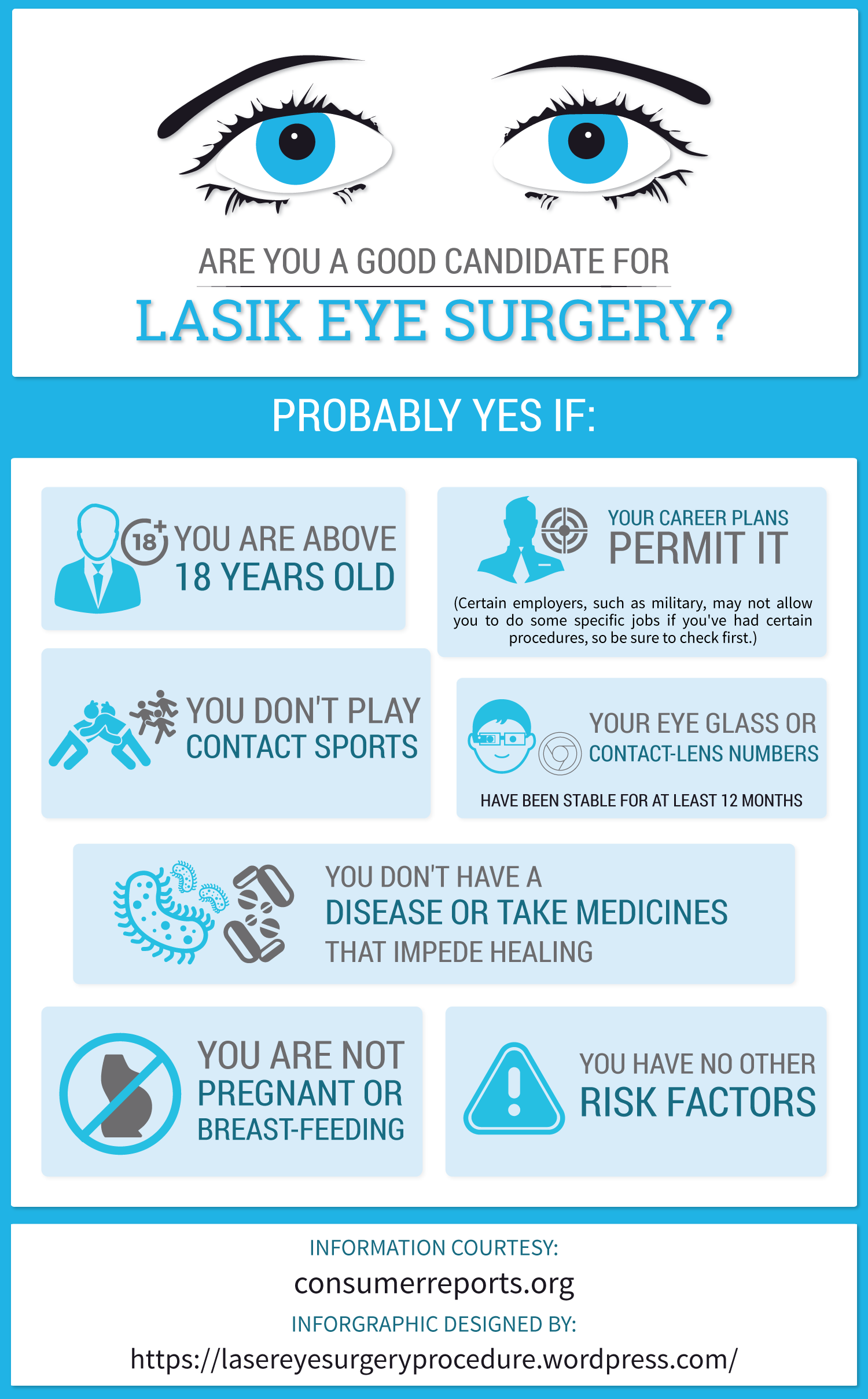
Assessing eligibility for lens replacement surgery involves several factors that must be thoroughly considered. Suitable candidates typically consist of people with serious refractive errors, such as severe nearsightedness or presbyopia, who are seeking long-term vision improvement solutions. Candidates should be generally healthy, free from eye diseases, and at least 21. A thorough evaluation by a qualified eye care professional can help assess whether you fulfill the criteria for this procedure.
Knowing what to expect can greatly calm patients' minds as they prepare for lens replacement surgery. The surgery is designed to substitute the eye's innate lens with an artificial one, offering the possibility for improved vision without the need for glasses or contact lenses. It is important to discuss the various lens choices available, such as accommodating or wider range lenses, so that you can make an informed decision suited to your lifestyle and sight requirements.
Post-surgery, candidates should be aware of the healing timeline and what to anticipate in the following days. Initially, some discomfort or soreness is normal, but most individuals notice improvement in vision relatively quickly. It is vital to follow your surgeon's post-operative guidelines and go to follow-up appointments to check healing and address any issues. With the right preparation and realistic expectations, the procedure can significantly improve well-being for many individuals seeking permanent vision correction.
Price and Payment Plans
The cost of lens replacement surgery can vary significantly based on various factors, including the type of lens chosen, the surgeon's experience, and the geographic setting of the procedure. On average, patients can expect to pay ranging from two to five thousand dollars per eye for personalized lens replacement. Premium options, such as multifocal lens implants or enhanced depth of focus lenses, may increase the overall cost. It is crucial to talk about all potential costs with your surgeon during the initial consultation, as they can provide a detailed breakdown tailored to your specific needs.
Payment solutions for lens replacement surgery are offered for those who may not be able to afford the procedure upfront. Many clinics offer flexible payment plans, allowing patients to make regular payments over time. Additionally, some healthcare financing companies specialize in procedures like lens replacement surgery and can provide low or no-interest loans. Utilizing Health Savings Accounts (HSA) or flexible spending accounts can also assist patients handle their costs, as these accounts allow users to cover medical expenses with pre-tax dollars.
Insurance coverage for lens replacement surgery often differs. While some insurance plans may include specific aspects of the procedure, such as consultations or basic lens options, many do not cover premium lenses or elective surgeries. It is essential to contact your insurance provider to confirm your coverage before proceeding. Additionally, for those thinking about the tax implications, keep in mind that lens replacement surgery may be eligible as a tax-deductible medical expense. Always speak with a tax professional to grasp any potential tax benefits available to you.
Recovery and Outcomes
The healing process after lens replacement operation varies from person to individual, but many patients experience a relatively rapid turnaround. Most clients notice an improvement in their vision within the initial days post-operation. It's typical to experience some discomfort or mild sight-related disturbances, such as light rings or brightness, as the eyes recover. Eye drops are usually prescribed to reduce swelling and prevent infection, and it is important to follow the aftercare instructions provided by your surgeon closely.
During the first few weeks, patients should avoid strenuous activities and heavy lifting to facilitate optimal healing. Follow-up visits with the eye surgeon are essential to monitor the healing progress and address any issues. As the eyes continue to heal, sight typically stabilizes between one to three months after the surgery, at which point clients can expect sharper, more reliable vision compared to their before the operation state.
The general outcomes of lens replacement are typically positive, with elevated satisfaction rates reported among patients. Many find they can achieve their desired vision goals, often eliminating the need for spectacles or contact lenses. While some risks and issues are possible, most patients find that the advantages, including the convenience of long-lasting sight improvement and improved quality of life, far outweigh any potential downsides, making lens replacement a strong option for those seeking sight improvement.